
Peptide storage is one of the most important aspects of modern peptide research, especially as laboratories across the UK and Europe continue investigating peptide stability, reconstitution procedures, and long-term handling protocols for advanced research compounds.
Scientific interest surrounding peptide storage and laboratory handling procedures has increased significantly due to the growing demand for regenerative peptides, metabolic compounds, growth-hormone peptides, neuroactive peptides, and mitochondrial research compounds.
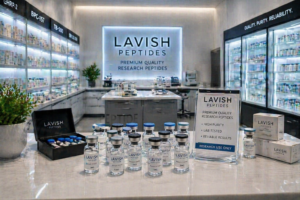
Researchers frequently investigate peptide refrigeration and controlled storage conditions to support product consistency and laboratory reliability.
Understanding how research peptides are commonly stored within laboratory environments remains an essential part of peptide science. Researchers investigating lyophilised peptides and reconstituted peptide solutions often prioritise structured storage procedures to maintain consistency throughout laboratory investigations.
This peptide storage guide explores the fundamentals of peptide refrigeration, lyophilised peptide handling, peptide stability considerations, and common storage practices associated with research peptide science.
Why Peptide Storage Matters
Peptide storage remains an important area within peptide research because environmental conditions may influence broader laboratory handling procedures and research consistency.
Researchers commonly investigate storage-related factors involving:
- Temperature stability
- Refrigerated storage
- Light exposure
- Moisture exposure
- Reconstituted peptide handling
- Long-term peptide stability
As peptide research becomes increasingly advanced, structured storage investigations continue becoming more important within modern laboratory environments.
Lyophilised Peptide Storage
Most research peptides are commonly supplied in lyophilised powder form to support product stability and controlled laboratory handling procedures.
Researchers frequently investigate lyophilised peptide storage because freeze-dried peptide compounds may support:
- Improved product stability
- Laboratory transportation
- Reduced moisture exposure
- Controlled preparation procedures
- Long-term storage investigations
Popular research peptides commonly supplied in lyophilised form include:
within broader laboratory research environments.
Refrigerated Peptide Research
Refrigerated storage investigations continue representing one of the most discussed areas within peptide handling research.
Researchers frequently explore refrigerated environments when investigating:
- Reconstituted peptide handling
- Temperature consistency
- Storage stability investigations
- Peptide preparation protocols
- Laboratory handling procedures
Controlled storage environments remain increasingly important within advanced peptide science.
Reconstituted Peptide Storage Considerations
Researchers investigating peptide reconstitution frequently explore how prepared peptide solutions may be stored within controlled laboratory environments.
Common research considerations may include:
Temperature Consistency
Researchers often investigate stable refrigerated conditions to support laboratory consistency.
Light Exposure
Controlled storage environments may be explored to minimise unnecessary environmental exposure during investigations.
Handling Procedures
Researchers frequently prioritise sterile laboratory handling procedures during peptide preparation and storage investigations.
Product Stability Investigations
Storage-related peptide research commonly involves investigations surrounding peptide consistency and handling standards over time.
Common Peptide Storage Mistakes Researchers Avoid
As peptide science expands, educational resources surrounding peptide handling continue becoming increasingly valuable. Researchers commonly attempt to avoid several storage-related issues during laboratory investigations.
These may include:
- Improper temperature control
- Excessive moisture exposure
- Poor laboratory handling procedures
- Low-quality peptide suppliers
- Lack of third-party testing
- Uncontrolled storage environments
Choosing HPLC-tested peptides with transparent supplier standards remains especially important within peptide storage research.
Choosing High-Quality Research Peptides
Researchers sourcing peptides online should prioritise suppliers offering:
- HPLC-verified purity
- Third-party testing
- Reliable UK & EU shipping
- Secure packaging
- Transparent quality standards
- Consistent batch verification
Lavish Peptides supplies premium research peptides designed to support professional laboratory investigations across regenerative, endocrine, metabolic, neuroactive, and mitochondrial peptide categories.
Premium Research Peptides UK
Researchers can explore premium laboratory compounds including:
through the Lavish Peptides Shop.
Researchers can also continue exploring educational peptide resources through the Lavish Peptides Blog.
The Future Of Peptide Stability Research
As peptide science continues evolving, peptide storage and stability investigations are expected to become increasingly important within advanced laboratory research environments.
Researchers continue investigating:
- Long-term peptide handling
- Refrigeration systems
- Storage consistency
- Lyophilised compound stability
- Peptide preparation protocols
- Environmental exposure research
Educational peptide resources surrounding storage and handling science continue becoming increasingly valuable for researchers across the UK and Europe.
Conclusion
Peptide storage remains a critical area within modern peptide research. As scientific understanding surrounding peptide stability, refrigeration investigations, and laboratory handling protocols evolves, structured storage procedures remain increasingly important within professional research environments.
Researchers should prioritise laboratory-tested peptides, verified supplier standards, and controlled storage conditions when investigating peptide stability and handling procedures.
Further Scientific Reading
Researchers interested in additional peptide stability and molecular-signalling studies can explore peer-reviewed scientific literature through PubMed.
