
Peptide Reconstitution Guide UK continues becoming one of the fastest-growing informational search categories throughout the United Kingdom and Europe as more buyers begin exploring peptide products, GLP-1 compounds, wellness-focused peptides, and advanced peptide research categories.
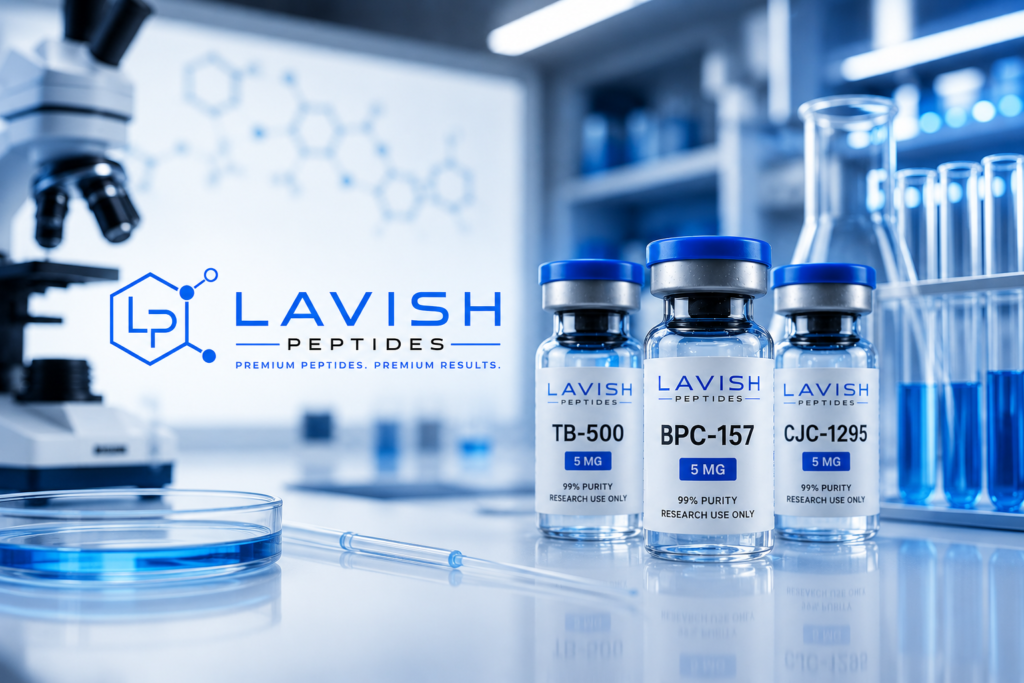
As peptide demand continues increasing globally, buyers increasingly search for educational information covering:
- how to mix peptides
- peptide reconstitution guide UK
- bacteriostatic water guide
- peptide mixing instructions
- peptide storage after mixing
- peptide refrigeration guide
- peptide shelf life
- peptide cooling systems
Customers throughout London, Manchester, Birmingham, Glasgow, Liverpool, Leeds, Bristol, Dublin, Amsterdam, Berlin, Milan, Paris, and Madrid continue exploring trusted peptide resources designed to help improve peptide organization, storage practices, and peptide handling knowledge.
At https://lavishpeptides.com customers can explore premium peptide products alongside educational peptide resources covering peptide storage, peptide refrigeration, wellness-focused peptide categories, and peptide organization systems.
What Is Peptide Reconstitution?
Peptide reconstitution refers to the process of mixing lyophilized peptide powder with a sterile liquid solution, commonly bacteriostatic water, before refrigeration and storage.
Many peptide products are supplied in lyophilized powder form because freeze-dried peptide compounds are generally easier to transport and store prior to mixing.
After reconstitution, many buyers commonly refrigerate peptide products to help maintain organized cooling and stable storage conditions.
Peptide reconstitution has therefore become one of the most searched educational peptide topics online.
Why Peptide Reconstitution Guide UK Continues Growing
Proper peptide reconstitution practices continue becoming increasingly important because buyers want to reduce exposure to:
- contamination
- unstable mixing conditions
- moisture exposure
- poor refrigeration
- improper handling
- excessive temperature fluctuations
Many peptide users now prioritize:
- sterile handling
- organized mixing practices
- stable refrigeration
- secure vial storage
- temperature-controlled peptide organization
As the peptide market continues expanding, educational peptide guides covering mixing and refrigeration continue becoming increasingly popular throughout Europe and North America.
Peptide Reconstitution Guide UK continues becoming one of the fastest-growing informational peptide categories throughout the UK and Europe as more buyers search for organized peptide mixing practices, refrigeration systems, bacteriostatic water guides, and portable peptide storage solutions. Customers exploring the Peptide Reconstitution Guide UK category increasingly prioritize stable refrigeration, organized vial management, and trusted peptide storage systems for wellness-focused peptide products.
Common Mistakes Covered in the Peptide Reconstitution Guide UK
Buyers commonly use several basic supplies during peptide mixing and refrigeration practices.
These may include:
- bacteriostatic water
- sterile syringes
- alcohol swabs
- peptide vials
- refrigeration systems
- portable peptide coolers
- organized peptide storage containers
Many buyers also use dedicated peptide cooling systems designed to help maintain stable refrigeration support after peptide mixing.
What Is Bacteriostatic Water?
Bacteriostatic water is one of the most searched peptide-related topics because it is commonly used during peptide reconstitution practices.
Bacteriostatic water typically contains:
- sterile water
- benzyl alcohol preservative
The preservative is commonly included to help reduce bacterial growth during repeated vial access.
Many buyers searching for peptide reconstitution information also search for:
- bacteriostatic water guide UK
- peptide mixing water
- sterile water for peptides
- peptide reconstitution supplies
As peptide demand continues growing, educational guides covering bacteriostatic water continue becoming increasingly popular.
One reason the Peptide Reconstitution Guide UK category continues growing is because buyers increasingly search for educational resources covering common peptide storage and mixing mistakes. Many peptide users now prioritize organized refrigeration systems, portable cooling devices, stable peptide storage conditions, and proper peptide handling practices after reconstitution.
How Peptides Are Commonly Mixed
Although mixing practices vary depending on the peptide product and individual preferences, many buyers commonly follow organized reconstitution procedures involving:
- sterilizing vial surfaces
- using sterile syringes
- slowly introducing bacteriostatic water
- avoiding excessive agitation
- refrigerating peptide products after mixing
Many buyers also prefer organized refrigeration systems after reconstitution to help maintain stable cooling support.
Peptide Storage After Reconstitution
One of the most important topics within the Peptide Reconstitution Guide UK category is refrigeration after mixing.
After peptide reconstitution, many buyers commonly prioritize:
- stable refrigeration
- organized storage
- reduced heat exposure
- temperature consistency
- travel-safe cooling systems
Most refrigerated peptide products are commonly stored between:
- 2°C to 8°C
Many buyers now use dedicated peptide cooling systems rather than relying entirely on standard household refrigerators because kitchen fridges may expose peptide products to:
- unstable cooling zones
- frequent door opening
- food contamination risk
- inconsistent temperatures
- moisture buildup
As a result, peptide cooling systems continue becoming one of the fastest-growing accessory categories within the peptide market.
Portable Peptide Cooling Systems
Portable peptide cooling systems continue becoming increasingly popular among buyers searching for:
- peptide travel storage
- GLP-1 cooling support
- organized peptide refrigeration
- mobile peptide transport
- rechargeable peptide coolers
Modern peptide cooling systems often include:
- active cooling technology
- rechargeable batteries
- digital temperature displays
- organized vial compartments
- travel-friendly refrigeration support
One growing example within this market is the:
- VIALYX Peptide Storage Machine
which appears designed specifically for portable peptide refrigeration, organized vial management, and travel-friendly cooling support.
Common Peptide Storage Options
The peptide cooling market generally falls into three major categories.
Basic Travel Peptide Cooler
Basic travel peptide coolers commonly use:
- insulation
- ice-pack cooling
- foam vial organization
- thermal storage protection
These systems are often best suited for:
- short travel periods
- daily carrying
- gym transport
- temporary cooling support
Mid-Tier Powered Cooling Systems
Mid-tier powered cooling systems use active refrigeration technology designed to help maintain more stable temperatures.
These systems commonly include:
- rechargeable batteries
- portable refrigeration
- organized storage compartments
- digital temperature displays
The VIALYX Peptide Storage Machine appears positioned closest to this category.
Premium Smart Peptide Storage Devices
Premium peptide storage systems may include:
- smart temperature monitoring
- app connectivity
- advanced refrigeration systems
- larger storage capacity
- precision cooling control
These systems are commonly used by:
- wellness clinics
- advanced peptide users
- professional storage environments
Common Peptides Buyers Store After Mixing
Buyers exploring peptide reconstitution guides frequently search for storage information covering products including:
- https://lavishpeptides.com/product/bpc-157-uk/
- https://lavishpeptides.com/product/tb-500-uk/
- https://lavishpeptides.com/product/tirzepatide-uk/
- https://lavishpeptides.com/product/retatrutide-uk-2/
- https://lavishpeptides.com/product/cagrilintide-uk/
- https://lavishpeptides.com/product/mots-c-uk/
- https://lavishpeptides.com/product/ss-31-peptide-uk/
- https://lavishpeptides.com/product/ghk-cu-uk/
- https://lavishpeptides.com/product/epitalon-uk/
- https://lavishpeptides.com/shop/
Why Educational Peptide Guides Continue Growing
Educational peptide pages continue becoming increasingly important because buyers now search for:
- peptide mixing guides
- peptide refrigeration information
- peptide travel storage
- peptide shelf life
- peptide organization systems
- peptide cooling support
- wellness-focused peptide resources
As the peptide industry continues expanding throughout Europe and North America, informational peptide content continues becoming one of the strongest-performing categories across the peptide market.
Final Thoughts on the Peptide Reconstitution Guide UK
Peptide Reconstitution Guide UK continues becoming one of the most important educational topics within the growing peptide industry. As more buyers begin exploring peptide products, organized mixing practices, refrigeration support, and peptide cooling systems continue becoming increasingly important.
Buyers searching for Peptide Reconstitution Guide UK increasingly prioritize:
- organized peptide storage
- stable refrigeration
- portable cooling systems
- bacteriostatic water guides
- peptide travel storage
- secure peptide organization
Portable peptide refrigeration systems, peptide storage machines, and travel-friendly cooling systems will likely continue becoming increasingly popular as peptide demand continues expanding globally.
Additional peptide and wellness information may also be explored through trusted educational resources including:
https://pubmed.ncbi.nlm.nih.gov/
https://www.healthline.com/
https://my.clevelandclinic.org/
Frequently Asked Questions
What is peptide reconstitution?
Peptide reconstitution refers to the process of mixing lyophilized peptide powder with a liquid solution such as bacteriostatic water before refrigeration and storage.
What is bacteriostatic water used for?
Bacteriostatic water is commonly used during peptide reconstitution and peptide mixing practices.
How should peptides be stored after mixing?
Many buyers commonly refrigerate peptide products between 2°C and 8°C after reconstitution.
What is the VIALYX Peptide Storage Machine?
The VIALYX Peptide Storage Machine appears to be a portable peptide refrigeration and cooling system designed for organized peptide and GLP-1 storage support.
