
Introduction
BPC-157 and TB-500 Stack Research has become one of the most discussed topics within modern peptide science. Researchers across the United Kingdom and Europe continue investigating peptide combinations to better understand how multiple biological pathways may interact within controlled laboratory environments. Among the many peptide combinations currently studied, the pairing of BPC-157 and TB-500 remains one of the most recognised due to its association with connective tissue biology, cellular migration studies, angiogenesis investigations, and tissue remodelling research.
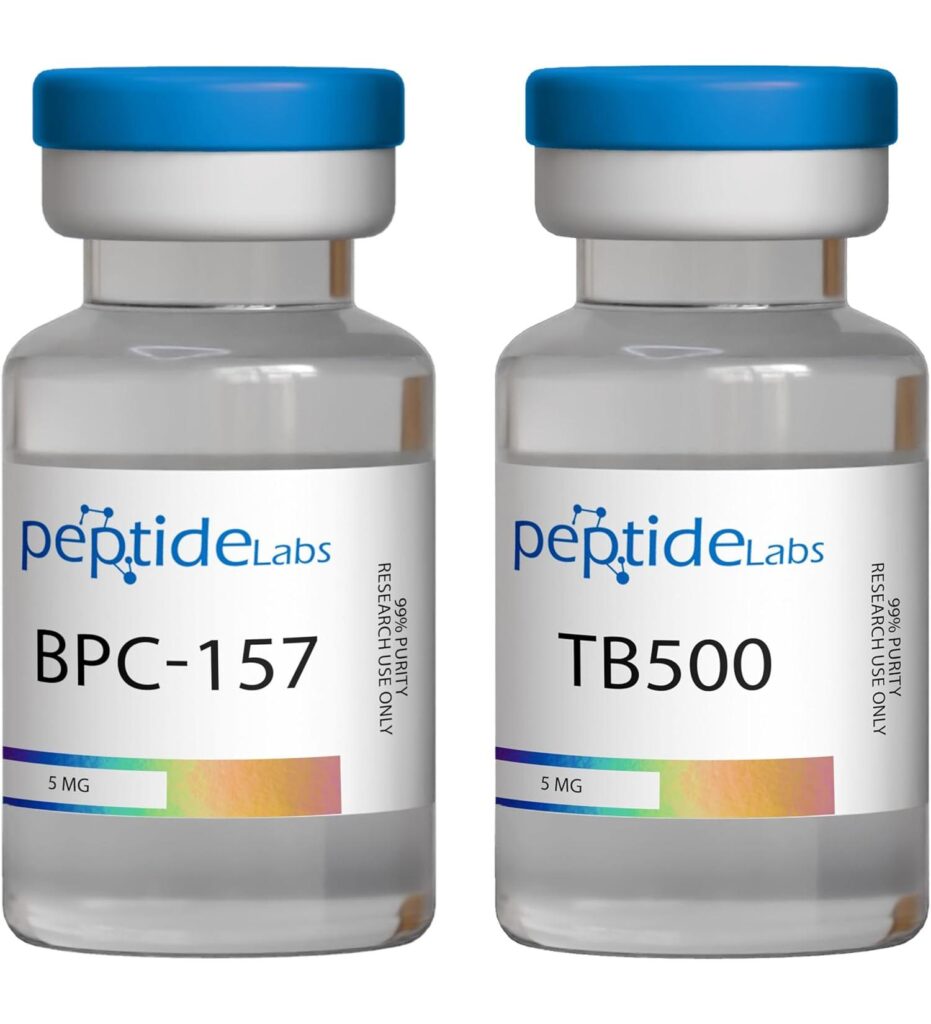
As peptide research continues advancing, scientists increasingly explore combination-based approaches rather than relying solely on individual compounds. This allows researchers to investigate how different signalling pathways may work together across broader biological systems. BPC-157 and TB-500 Stack Research has therefore become an important area of interest for laboratories seeking to expand their understanding of recovery-related biological processes and tissue-focused investigations.
Researchers interested in premium peptide products can explore BPC-157 UK here:
and TB-500 UK here:
What Is BPC-157 and TB-500 Stack Research?
BPC-157 and TB-500 Stack Research refers to laboratory investigations involving the combined study of BPC-157 and TB-500. Rather than examining each peptide independently, researchers explore how these compounds may interact within broader biological systems.
BPC-157 is frequently discussed in relation to tissue repair investigations, angiogenesis studies, and cellular communication pathways. TB-500 is often associated with cellular migration research, actin regulation, and structural tissue investigations.
When combined, researchers can investigate multiple pathways simultaneously, creating opportunities to explore more complex biological models.
For laboratories seeking a pre-formulated combination, Lavish Peptides offers:
Why Researchers Study Peptide Combinations
Modern peptide science increasingly focuses on understanding how multiple compounds may influence interconnected biological systems.
Several factors contribute to the popularity of peptide combinations:
- Broader pathway analysis
- Multi-system investigations
- Tissue-focused research
- Recovery-related studies
- Enhanced experimental design
- Comparative biological modelling
BPC-157 and TB-500 Stack Research continues growing because it allows researchers to investigate multiple signalling mechanisms within a single framework.
1. Connective Tissue Biology Research
Connective tissue remains one of the most frequently studied areas associated with BPC-157 and TB-500 Stack Research.
Researchers often investigate:
- Tendon biology
- Ligament models
- Structural tissue signalling
- Extracellular matrix interactions
Understanding connective tissue pathways remains an important objective within many peptide-related studies.
2. Cellular Migration Investigations
Cellular migration plays a crucial role in many biological processes.
TB-500 research frequently examines:
- Cell movement
- Tissue organisation
- Cytoskeletal regulation
- Structural adaptation pathways
Researchers continue exploring how migration-related mechanisms contribute to broader biological systems.
Explore TB-500 UK:
3. Angiogenesis Studies
Angiogenesis refers to the development of new blood vessels and remains an important area of biological investigation.
BPC-157 discussions often include:
- Vascular signalling
- Growth factor pathways
- Cellular communication
- Recovery-focused research
These investigations continue contributing to scientific understanding of complex biological systems.
Explore BPC-157 UK:
4. Tissue Remodelling Research
Tissue remodelling involves the continuous adaptation and restructuring of biological tissues.
Researchers studying BPC-157 and TB-500 Stack Research frequently explore:
- Structural adaptation
- Recovery-related pathways
- Connective tissue dynamics
- Matrix signalling systems
Understanding these mechanisms remains important across multiple scientific disciplines.
5. Multi-Pathway Biological Analysis
One of the biggest advantages of peptide combination research is the ability to investigate several biological pathways simultaneously.
Researchers often compare:
- Single-peptide investigations
- Combination-peptide investigations
- Recovery-focused models
- Tissue-related biological systems
This broader perspective helps improve overall understanding of complex biological interactions.
6. Growth Factor Signalling Research
Growth factor signalling continues attracting attention throughout peptide science.
Researchers investigate:
- Cellular communication
- Molecular signalling
- Biological regulation
- Pathway interactions
Many peptide combinations are evaluated specifically for their potential role within growth factor-related research models.
7. Recovery Pathway Investigations
Recovery-related biological processes remain among the most studied areas within peptide science.
Researchers frequently explore:
- Biological adaptation
- Structural signalling
- Tissue communication
- Recovery-focused pathways
BPC-157 and TB-500 Stack Research continues appearing within discussions surrounding these investigations.
8. Extracellular Matrix Research
The extracellular matrix provides structural support throughout biological tissues.
Research often focuses on:
- Matrix signalling
- Cellular interaction
- Tissue organisation
- Structural communication pathways
Understanding extracellular matrix biology remains fundamental to many connective tissue investigations.
9. Peptide Combination Research Models
Combination-based research continues expanding throughout the scientific community.
Researchers increasingly explore:
- Two-peptide formulations
- Multi-peptide stacks
- Comparative peptide models
- Advanced laboratory frameworks
The growing interest in peptide combinations has contributed significantly to the popularity of BPC-157 and TB-500 Stack Research.
10. Tissue-Focused Experimental Design
Researchers often develop specialised laboratory models focused on tissue biology.
These models may include:
- Connective tissue studies
- Structural signalling investigations
- Recovery-related frameworks
- Multi-pathway research systems
Such investigations continue helping scientists better understand biological complexity.
11. Advanced Peptide Research Applications
As peptide science evolves, researchers continue developing increasingly sophisticated experimental approaches.
Areas of interest include:
- Peptide stacking strategies
- Combination-based investigations
- Biological pathway interactions
- Complex tissue models
BPC-157 and TB-500 Stack Research remains one of the most recognised examples of this evolving field.
Additional Research Resources
Researchers seeking additional peptide information can explore the Lavish Peptides educational resources:
Shop:
https://lavishpeptides.com/shop/
Blog:
https://lavishpeptides.com/blog/
About:
https://lavishpeptides.com/about/
These resources provide educational content covering peptide science, research compounds, and laboratory-focused topics.
For peer-reviewed scientific literature, researchers may review studies through:
https://pubmed.ncbi.nlm.nih.gov
PubMed remains one of the most widely used scientific databases for peptide-related publications and biological research.
Frequently Asked Questions
What is BPC-157 and TB-500 Stack Research?
BPC-157 and TB-500 Stack Research involves laboratory investigations examining the combined use of BPC-157 and TB-500 within biological research models.
Why do researchers combine BPC-157 and TB-500?
Researchers often investigate peptide combinations to explore multiple biological pathways simultaneously.
Is BPC-157 and TB-500 Stack Research popular?
Yes. It remains one of the most discussed peptide combination topics within recovery-focused and tissue-related research communities.
Where can researchers find BPC-157 and TB-500 products?
Researchers can explore BPC-157 UK, TB-500 UK, and combination formulations through Lavish Peptides.
What scientific resource can researchers use for peptide studies?
PubMed remains one of the most trusted resources for reviewing peer-reviewed peptide research and biological investigations.
Conclusion
BPC-157 and TB-500 Stack Research continues attracting significant interest within modern peptide science due to its focus on multiple biological pathways, connective tissue investigations, cellular migration studies, angiogenesis research, and tissue remodelling models. As researchers continue exploring advanced peptide combinations, interest in combination-based investigations is expected to grow further.
By studying BPC-157 and TB-500 together, laboratories can investigate broader biological systems than would be possible through single-compound research alone. As peptide science continues evolving throughout the United Kingdom and Europe, BPC-157 and TB-500 Stack Research remains a valuable educational topic for researchers seeking to understand peptide combinations and complex biological interactions.
