
How to Store Peptides Properly continues becoming one of the most searched peptide-related topics throughout the United Kingdom and Europe as more buyers begin exploring peptide products, GLP-1 compounds, wellness-focused peptides, and advanced peptide research categories.
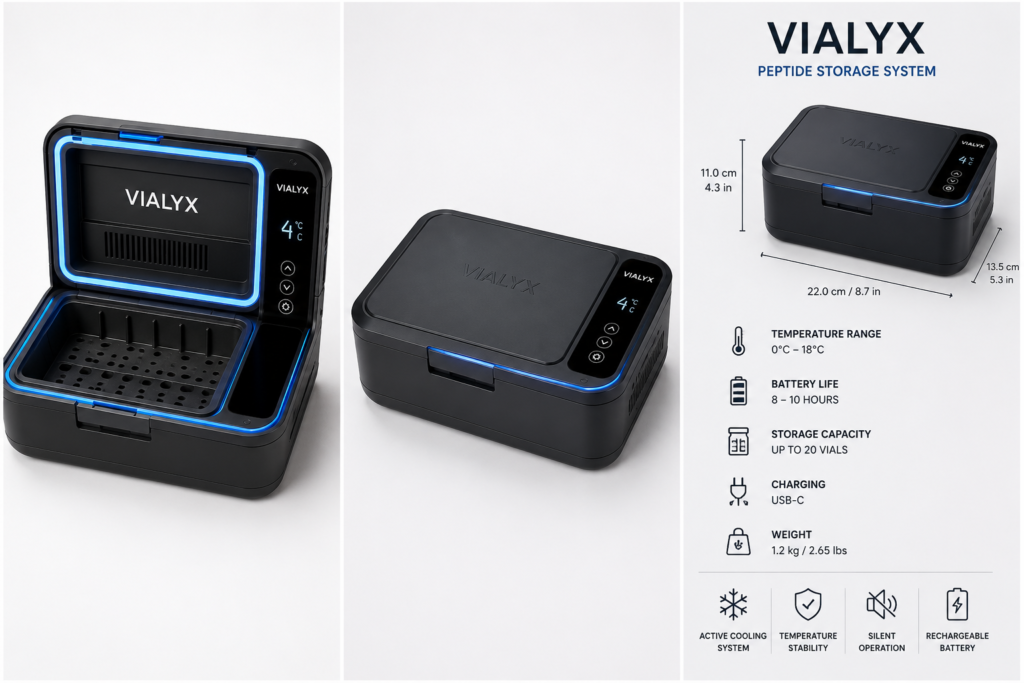
As peptide demand continues increasing globally, buyers are becoming more aware that proper peptide storage plays an important role in maintaining organized refrigeration, temperature stability, and safer handling practices for peptide products during travel, home storage, and daily use.
Customers throughout London, Manchester, Birmingham, Glasgow, Liverpool, Leeds, Bristol, Dublin, Amsterdam, Berlin, Milan, Paris, and Madrid increasingly search for trusted information covering:
- how to store peptides properly
- peptide refrigeration guide
- peptide storage temperature
- peptide travel storage
- peptide cooling systems
- peptide shelf life
- GLP-1 storage guide
- peptide storage machines
At https://lavishpeptides.com customers can explore premium peptide products alongside educational peptide resources covering peptide storage, cooling systems, peptide organization, and wellness-focused peptide categories.
Why Proper Peptide Storage Matters
Many peptide compounds become temperature-sensitive after reconstitution, making proper peptide storage increasingly important for buyers wanting organized refrigeration and stable cooling support.
Improper storage conditions may expose peptide products to:
- heat exposure
- temperature fluctuations
- moisture buildup
- unstable refrigeration
- excessive light exposure
- poor transport conditions
- physical vial movement during travel
As peptide products continue becoming more popular throughout Europe and North America, buyers increasingly search for safer and more organized ways to refrigerate peptide compounds properly.
How to Store Peptides Properly has therefore become one of the fastest-growing educational peptide topics online.
Recommended Peptide Storage Temperature
One of the most common questions buyers ask is how to store peptides properly at the correct temperature.
Most refrigerated peptide products are commonly stored between:
- 2°C to 8°C
This temperature range is typically associated with refrigeration practices commonly used for peptide products, GLP-1 compounds, and wellness-focused peptide categories.
Many buyers now prefer dedicated peptide cooling systems rather than relying entirely on standard kitchen refrigerators because household fridges often experience:
- unstable temperature fluctuations
- frequent door opening
- moisture exposure
- food contamination risk
- inconsistent cooling zones
Dedicated peptide cooling systems continue becoming increasingly popular for buyers wanting more organized and stable refrigeration support.
How to Store Peptides Properly at Home
Buyers storing peptides at home increasingly prioritize:
- temperature stability
- organized vial management
- refrigeration consistency
- moisture protection
- secure storage placement
For home peptide storage, buyers commonly use:
- dedicated peptide refrigerators
- portable peptide cooling systems
- insulated peptide storage containers
- peptide organizer cases
- temperature-controlled peptide storage devices
Many buyers also prefer keeping peptide products away from:
- direct sunlight
- high humidity areas
- heat-producing appliances
- unstable room temperatures
As peptide products become more common throughout wellness and GLP-1 categories, home peptide organization continues becoming increasingly important.
Portable Peptide Cooling Systems
Portable peptide cooling systems continue becoming one of the fastest-growing accessory categories within the peptide market.
These systems are commonly designed for:
- peptide travel storage
- GLP-1 cooling support
- organized vial management
- mobile refrigeration
- commuting
- gym transport
- vehicle storage
Modern peptide cooling systems often include:
- rechargeable battery systems
- active cooling technology
- digital temperature displays
- organized vial compartments
- travel-friendly refrigeration support
One growing example within this market is the:
- VIALYX Peptide Storage Machine
which appears designed specifically for portable peptide cooling, organized refrigeration, and travel-friendly peptide storage support.
Types of Peptide Storage Systems
The peptide cooling market generally falls into three major categories.
1. Basic Travel Peptide Cooler
Basic travel peptide coolers commonly use:
- insulation
- thermal cooling
- ice-pack support
- foam vial organization
These systems are usually best suited for:
- short-distance travel
- temporary cooling support
- gym transport
- daily peptide carrying
2. Mid-Tier Powered Cooling Systems
Mid-tier powered cooling systems use active refrigeration technology designed to help maintain more stable internal temperatures.
These systems commonly include:
- rechargeable batteries
- digital displays
- portable refrigeration
- organized storage compartments
The VIALYX Peptide Storage Machine appears positioned closest to this category.
3. Premium Smart Peptide Storage Devices
Premium smart peptide storage devices represent the highest-end segment of the peptide refrigeration market.
These systems may include:
- smart temperature monitoring
- app connectivity
- advanced cooling systems
- larger storage capacity
- digital alerts
- luxury peptide organization
These systems are often used by:
- wellness clinics
- advanced peptide users
- professional storage environments
- high-volume peptide buyers
How to Store Peptides Properly While Traveling
Travel remains one of the biggest challenges for peptide users storing temperature-sensitive products.
Buyers traveling with peptide products increasingly search for:
- peptide travel coolers
- portable peptide refrigerators
- travel-friendly peptide storage
- GLP-1 cooling systems
- rechargeable peptide coolers
Portable cooling systems continue becoming increasingly important because they may help reduce exposure to:
- heat during transportation
- unstable temperatures
- extended unrefrigerated storage
- moisture buildup
- travel-related vial movement
Many buyers now prioritize portable peptide cooling systems with:
- rechargeable batteries
- organized vial compartments
- active cooling support
- compact travel design
- stable refrigeration technology
Common Peptide Products Stored in Cooling Systems
Buyers exploring peptide cooling systems frequently search for storage support for products including:
- https://lavishpeptides.com/product/tirzepatide-uk/
- https://lavishpeptides.com/product/retatrutide-uk-2/
- https://lavishpeptides.com/product/cagrilintide-uk/
- https://lavishpeptides.com/product/bpc-157-uk/
- https://lavishpeptides.com/product/tb-500-uk/
- https://lavishpeptides.com/product/mots-c-uk/
- https://lavishpeptides.com/product/ss-31-peptide-uk/
- https://lavishpeptides.com/product/ghk-cu-uk/
- https://lavishpeptides.com/product/epitalon-uk/
- https://lavishpeptides.com/shop/
Why Peptide Cooling Systems Continue Growing
The peptide cooling market continues expanding rapidly due to:
- increased peptide demand
- rapid GLP-1 growth
- wellness clinic expansion
- travel-focused peptide use
- higher-value peptide products
- organized refrigeration demand
Many buyers now prefer dedicated peptide cooling systems capable of offering:
- stable temperatures
- organized storage
- portable refrigeration
- secure vial management
- travel-friendly cooling support
rather than relying entirely on standard household refrigerators.
Final Thoughts on How to Store Peptides Properly
How to Store Peptides Properly continues becoming one of the most important educational topics throughout the growing peptide industry. As more buyers begin exploring peptide products, GLP-1 compounds, and wellness-focused peptide categories, organized refrigeration and stable storage conditions continue becoming increasingly important.
Portable peptide cooling systems, peptide refrigerators, organized vial management, and travel-friendly refrigeration devices will likely continue becoming more popular as the peptide industry expands throughout Europe and North America.
Buyers searching for How to Store Peptides Properly increasingly prioritize:
- temperature stability
- organized refrigeration
- travel-friendly cooling support
- secure peptide storage
- portable refrigeration systems
- trusted peptide organization solutions
Additional peptide and wellness information may also be explored through trusted educational resources including:
https://pubmed.ncbi.nlm.nih.gov/
https://www.healthline.com/
https://my.clevelandclinic.org/
Frequently Asked Questions
What temperature should peptides be stored at?
Most refrigerated peptide products are commonly stored between 2°C and 8°C.
How do you store peptides while traveling?
Many buyers use portable peptide cooling systems, rechargeable peptide coolers, and travel-friendly refrigeration devices designed for peptide transport.
Can peptides be stored in a normal refrigerator?
Some buyers use household refrigerators, although dedicated peptide cooling systems may offer more stable and organized refrigeration support.
What is the VIALYX Peptide Storage Machine?
The VIALYX Peptide Storage Machine appears to be a portable peptide cooling and refrigeration system designed for organized peptide and GLP-1 storage support.
