
Peptide Storage UK practices have become increasingly important as peptide research continues expanding across modern laboratory environments. Proper peptide handling, storage conditions, and stability management play a major role in preserving peptide integrity during advanced scientific investigations.
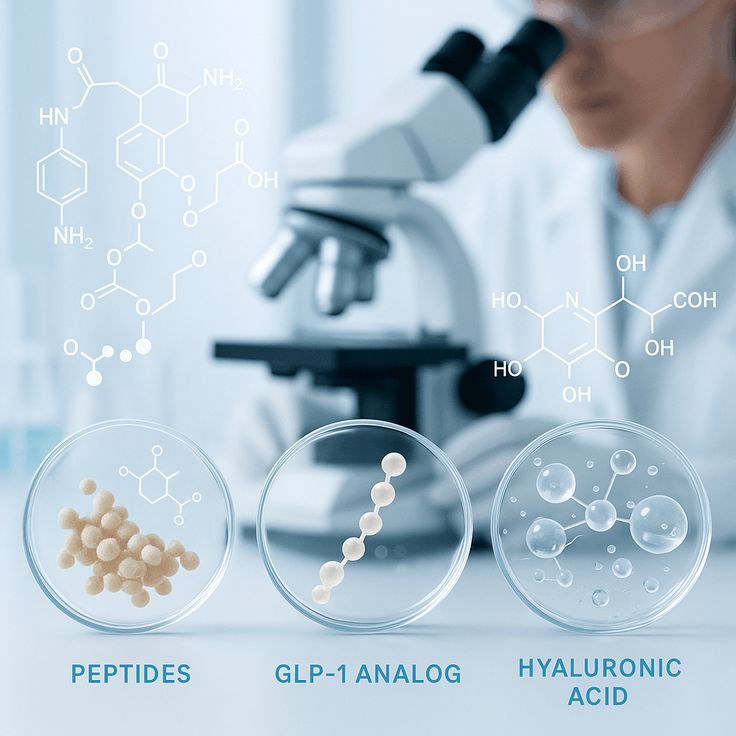
As more researchers explore compounds such as BPC-157 UK, Tesamorelin UK, Tirzepatide UK, and Retatrutide UK, understanding peptide storage standards has become essential for maintaining consistent research conditions and long-term peptide stability.
At Lavish Peptides, we believe educational peptide content is just as important as premium-quality research compounds. Many leading scientific and health-focused brands continue dominating search visibility by publishing highly informative educational resources that support researchers throughout the entire peptide research process.
Why Proper Peptide Storage UK Practices Matter
Peptides are highly sensitive research compounds that may become unstable when exposed to:
- excessive heat
- direct sunlight
- repeated freeze-thaw cycles
- moisture contamination
- improper laboratory handling
Maintaining proper storage conditions helps researchers preserve peptide consistency and reduce avoidable degradation risks during scientific investigations.
As the UK peptide industry continues growing, more researchers are prioritizing peptide quality control, storage education, and laboratory handling standards before selecting peptide suppliers.
Common Peptide Storage UK Mistakes
One of the biggest issues within peptide research environments involves improper peptide handling procedures. Researchers frequently underestimate how environmental conditions can affect peptide stability over time.
1. Leaving Peptides at Room Temperature Too Long
Extended exposure to room temperature conditions may negatively affect peptide stability depending on the compound being researched.
Many laboratories prioritize controlled refrigerated storage systems immediately after peptide preparation.
2. Repeated Freeze-Thaw Cycles
Repeated freezing and thawing may increase instability risks during long-term peptide handling.
Researchers often minimize repeated temperature fluctuations by organizing peptide aliquots before storage.
3. Improper Reconstitution Practices
Using improper handling methods during peptide preparation may introduce contamination risks and affect peptide integrity.
Researchers commonly pair storage investigations with educational resources such as:
Refrigerated vs Frozen Peptide Storage
Different peptides may require different storage conditions depending on:
- peptide structure
- reconstitution status
- intended research duration
- laboratory protocols
Many peptide researchers utilize:
- refrigeration for short-term storage
- freezing systems for extended storage conditions
Scientific peptide literature and handling standards can be reviewed through:
https://pubmed.ncbi.nlm.nih.gov/
Peptide Storage UK and Long-Term Stability Research
Peptide stability remains one of the most discussed areas within advanced peptide research communities. Researchers investigating recovery peptides, metabolic compounds, and growth hormone-related peptides often prioritize consistency across long-term laboratory studies.
Popular compounds frequently associated with peptide stability discussions include:
Educational peptide pages discussing storage, peptide handling, and research preparation continue generating strong organic traffic across major health and scientific industries because they answer highly searched informational questions researchers actively investigate online.
How Educational Peptide Content Improves Research SEO
Many top-performing scientific and wellness brands now combine:
- educational content
- product authority
- topical clustering
- semantic SEO
- internal linking systems
This strategy allows websites to build stronger authority across entire subject categories rather than relying exclusively on product pages alone.
Educational pages surrounding:
- peptide storage
- peptide mixing
- peptide timing
- peptide combinations
- peptide calculators
help strengthen topical authority throughout peptide-focused websites.
Premium UK Peptide Research Resources
At Lavish Peptides, we continue building premium educational peptide resources designed to support:
- laboratory researchers
- peptide research communities
- advanced peptide investigations
- UK-based scientific sourcing
Alongside premium research compounds, educational peptide content helps create a stronger long-term foundation for modern peptide research platforms.
Researchers exploring additional peptide education resources may also review:
Frequently Asked Questions About Peptide Storage UK
Why is peptide storage important?
Proper storage helps maintain peptide stability, consistency, and research integrity during laboratory investigations.
Should peptides always be refrigerated?
Storage requirements may vary depending on the peptide compound and research conditions being used.
Can peptides degrade over time?
Improper handling, excessive heat, moisture exposure, and repeated freeze-thaw cycles may increase degradation risks.
Where can researchers buy premium UK peptides?
Researchers can explore premium research peptides directly through Lavish Peptides
Conclusion
Peptide Storage UK remains one of the most important topics within modern peptide research, yet it is often overlooked by new and experienced researchers alike. Following proper Peptide Storage UK procedures can help support compound stability, reduce unnecessary degradation risks, and improve consistency across long-term laboratory investigations. Whether researchers are working with freeze-dried peptides or reconstituted solutions, understanding Peptide Storage UK standards is essential for maintaining research integrity and reliable experimental conditions.
As the demand for research peptides continues growing throughout the United Kingdom and Europe, Peptide Storage UK education has become increasingly valuable for laboratories seeking to preserve peptide quality and optimize handling protocols. Proper refrigeration, moisture control, protection from direct sunlight, and minimizing repeated freeze-thaw cycles all contribute to stronger Peptide Storage UK practices.
Researchers exploring advanced compounds such as BPC-157, TB-500, Tesamorelin, Retatrutide, and Tirzepatide should make Peptide Storage UK a core part of their overall laboratory workflow. By implementing proven Peptide Storage UK guidelines and following established storage recommendations, laboratories can help maximize peptide stability, improve research consistency, and support higher-quality scientific investigations over extended periods.
