
Research Peptide Stacking Guide continues becoming one of the most important topics within modern peptide science and advanced laboratory investigations. As researchers investigate regenerative signalling pathways, metabolic peptide systems, neuroactive communication pathways, and mitochondrial peptide science, structured peptide stacking protocols remain essential for advanced laboratory organisation and multi-compound peptide investigations.
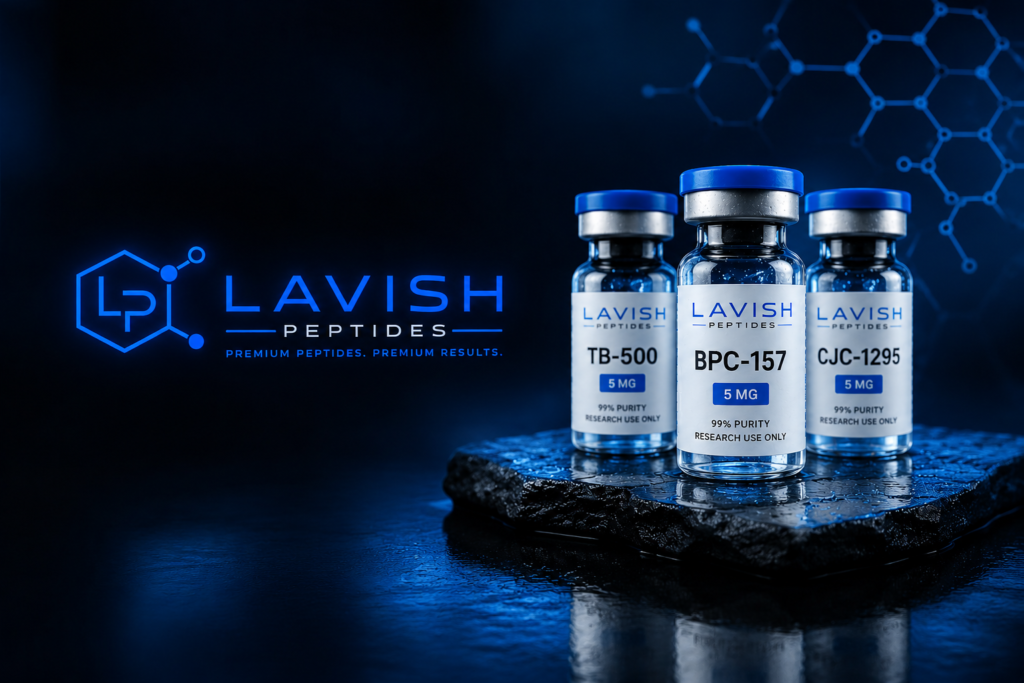
Over the last several years, peptide stacking science has expanded significantly across the UK and Europe. Researchers are increasingly exploring advanced peptide combinations within laboratory settings involving regenerative peptide protocols, metabolic communication systems, neuroactive peptide investigations, and structured molecular research environments.
Because of this rapid scientific growth, understanding the Research Peptide Stacking Guide has become increasingly important for researchers exploring advanced peptide science and professional laboratory procedures.
This guide explores why researchers investigate peptide stacking systems, how advanced peptide combinations continue evolving, and why structured multi-peptide protocols remain essential within modern laboratory research environments.
Researchers exploring peptide stacking investigations frequently review peer-reviewed scientific literature through PubMed.
What Is A Research Peptide Stacking Guide?
A Research Peptide Stacking Guide refers to structured laboratory investigations commonly associated with advanced peptide combinations, peptide organisation systems, and multi-compound molecular research.
Researchers commonly investigate peptide stacking systems involving:
- Multi-peptide protocols
- Structured laboratory procedures
- Peptide organisation investigations
- Advanced communication pathways
- Multi-compound peptide environments
Additionally, peptide science continues evolving rapidly as researchers investigate increasingly sophisticated peptide combinations and laboratory procedures.
Why Is Peptide Stacking Becoming So Popular?
Several factors continue driving scientific interest surrounding peptide stacking investigations.
Unlike traditional single-pathway investigations, advanced peptide research frequently overlaps with:
- Regenerative peptide combinations
- Metabolic communication systems
- Neuroactive peptide investigations
- Mitochondrial communication pathways
- Structured laboratory protocols
Because of this broader scientific expansion, peptide stacking systems continue attracting enormous attention across modern laboratory environments.
Educational resources involving peptide stacking investigations and laboratory communication systems are commonly reviewed through the National Center for Biotechnology Information (NCBI).
Research Peptide Stacking Guide And Advanced Combination Research
Popular Peptide Stacks Researchers Compare
| Peptide Stack | Common Research Category | Common Investigation Focus |
|---|---|---|
| Wolverine Stack | Regenerative peptide stack | Tissue-signalling investigations |
| Retatrutide + MOTS-c | Metabolic peptide stack | Cellular-energy systems |
| Semax + Selank | Neuroactive peptide stack | Cognitive communication pathways |
| SS-31 + TRX-1 | Mitochondrial peptide stack | Oxidative signalling systems |
| BPC-157 + TB-500 | Regenerative combination | Advanced peptide stacking |
Wolverine Stack – A Leading Regenerative Peptide Combination
Wolverine Stack UK remains one of the most recognised combinations within regenerative peptide science.
Researchers commonly investigate Wolverine Stack within:
- Tissue-signalling investigations
- Regenerative peptide protocols
- Multi-compound communication systems
- Advanced peptide-stacking studies
- Structured laboratory investigations
Because of its popularity within peptide stacking science, Wolverine Stack continues dominating discussions surrounding advanced regenerative peptide combinations.
Metabolic Peptide Stacking Investigations
Researchers commonly investigate combinations involving:
within advanced metabolic peptide investigations and endocrine communication systems.
Because metabolic peptide science continues evolving rapidly, structured metabolic combinations continue attracting enormous scientific attention.
Neuroactive Peptide Stacking Research
Researchers frequently investigate combinations involving:
within neuroactive peptide science and cognitive communication investigations.
Additionally, neuroactive peptide stacking science remains one of the fastest-growing areas within modern laboratory environments.
Mitochondrial Peptide Stacking Systems
Researchers commonly investigate mitochondrial combinations involving:
within advanced mitochondrial communication investigations and cellular-energy systems.
Because mitochondrial peptide science continues expanding rapidly, structured peptide stacking investigations continue becoming increasingly sophisticated.
Researchers interested in metabolic signalling pathways frequently review scientific literature through Nature Metabolism.
Structured Laboratory Protocols And Peptide Organisation
Researchers investigating peptide stacking systems commonly prioritise structured laboratory procedures involving:
- Peptide timing
- Refrigeration systems
- Storage protocols
- Reconstitution procedures
- Multi-compound organisation
- Laboratory consistency
Structured peptide protocols remain increasingly important within advanced laboratory investigations.
Common Laboratory Mistakes Researchers Try To Avoid
Researchers investigating peptide stacking systems frequently prioritise consistency because laboratory procedures remain extremely important within peptide science.
Common stacking-related concerns commonly investigated include:
- Poor laboratory organisation
- Inconsistent peptide timing systems
- Unstructured multi-compound procedures
- Inadequate refrigeration environments
- Multi-peptide confusion
Because peptide science continues becoming increasingly sophisticated, structured laboratory protocols remain essential within modern research environments.
Why Research Peptide Stacking Matters In Modern Research
Research Peptide Stacking Guide continues shaping the future of peptide science because researchers are increasingly focused on advanced multi-compound communication systems and structured laboratory investigations.
Researchers commonly investigate:
- Multi-peptide protocols
- Structured communication pathways
- Advanced peptide combinations
- Metabolic peptide systems
- Neuroactive communication investigations
Additionally, peptide stacking science continues becoming increasingly sophisticated across modern research environments.
Researchers exploring laboratory communication systems frequently review published scientific literature through Frontiers In Endocrinology.
Important Factors Researchers Consider Before Buying Research Peptides
Researchers investigating peptide stacking systems commonly prioritise several important factors before sourcing compounds online.
HPLC Testing
High-purity compounds remain essential within professional laboratory environments.
Researchers frequently prioritise:
- HPLC-tested peptides
- Third-party verification
- COA documentation
- Transparent batch testing
Supplier Reputation
Reliable peptide suppliers should offer:
- Fast UK & EU shipping
- Secure packaging
- Verified testing standards
- Consistent laboratory quality
Structured Laboratory Protocols
Researchers commonly investigate:
- Peptide timing
- Storage procedures
- Reconstitution methods
- Multi-compound organisation
because laboratory consistency remains extremely important within peptide science.
FAQ – Research Peptide Stacking Guide
What is a research peptide stacking guide?
A research peptide stacking guide refers to structured laboratory investigations involving advanced peptide combinations, multi-compound organisation systems, and peptide communication pathways.
Why is peptide stacking becoming so popular?
Researchers commonly investigate peptide stacking systems because multi-compound communication investigations continue expanding within modern peptide science.
What are multi-peptide protocols?
Multi-peptide protocols commonly involve structured laboratory investigations surrounding advanced peptide combinations and molecular communication systems.
Why is HPLC testing important?
HPLC testing helps support compound verification and laboratory consistency during advanced peptide investigations.
Follow Lavish Peptides
Researchers interested in additional peptide stacking discussions, educational content, and advanced research updates can also follow the official Lavish Peptides Facebook page for ongoing peptide science updates and educational research content.
Premium Research Peptides UK
Lavish Peptides supplies premium research compounds with:
- HPLC-verified purity
- Third-party testing
- Fast UK & EU shipping
- Secure packaging
- Professional laboratory standards
Researchers can explore advanced compounds through the Lavish Peptides Shop or continue learning through the Lavish Peptides Blog.
Conclusion
Research Peptide Stacking Guide continues shaping the future of peptide science. As researchers investigate advanced peptide combinations, multi-compound communication systems, molecular signalling pathways, and structured laboratory investigations, peptide stacking protocols remain essential within modern research environments.
Meanwhile, the growing overlap between peptide stacking science, laboratory organisation systems, and advanced peptide investigations continues driving scientific interest surrounding structured multi-peptide procedures and peptide communication research across modern laboratory environments.
Researchers investigating advanced peptide applications should prioritise structured laboratory procedures, verified supplier standards, and high-purity compounds to support professional peptide investigations and long-term laboratory consistency.
Additional peer-reviewed scientific literature surrounding peptide stacking investigations and laboratory communication systems can be explored through PubMed and Nature Metabolism.
