
Introduction
You have invested in high-purity research peptides. The Certificate of Analysis shows 99 percent or higher purity. You have reconstituted them correctly. Now comes the next critical question: how do you store them to maintain that purity over time?
Proper peptide storage is often overlooked, yet it is one of the most important factors determining experimental success. A perfectly pure peptide can degrade into a useless mixture within weeks if stored incorrectly. Conversely, a well-stored peptide can remain stable for years.
Many researchers lose valuable peptides to preventable degradation. Moisture creeps into vials. Temperature fluctuates. Freeze-thaw cycles repeat. Each of these mistakes shortens the usable life of your research materials. This guide teaches you exactly how to store both lyophilized and reconstituted peptides to maximize stability and shelf life.
Understanding Peptide Degradation
Before discussing storage methods, it helps to understand what causes peptides to degrade. Peptides are chains of amino acids held together by peptide bonds. These bonds can break through several mechanisms.
Hydrolysis is the most common degradation pathway. Water molecules attack peptide bonds, breaking the chain into smaller fragments. This is why moisture is the enemy of peptide stability.
Oxidation is another common problem. Amino acids containing sulfur, such as methionine and cysteine, are particularly vulnerable to oxidation. Oxygen in the air can modify these amino acids, changing the peptide’s structure and function.
Deamidation affects amino acids like asparagine and glutamine. This reaction converts these amino acids into different forms, altering the peptide’s charge and biological activity.
Aggregation occurs when peptides stick together, forming clumps or fibrils. Aggregated peptides are useless for most research applications because they do not behave like properly folded, soluble peptides.
Physical factors accelerate all of these degradation pathways. Heat speeds up chemical reactions. Light provides energy for unwanted reactions. Humidity introduces water. Freeze-thaw cycles cause mechanical stress.
Proper storage addresses each of these factors.
Storing Lyophilized Peptides
Lyophilized or freeze-dried peptides are significantly more stable than reconstituted peptides. However, they are not indestructible. Proper storage of lyophilized peptides requires attention to temperature, moisture, and container integrity.
Temperature Requirements
Most lyophilized peptides should be stored at minus 20 degrees Celsius, which is a standard freezer, or minus 80 degrees Celsius, which is an ultra-low freezer. The colder the temperature, the slower the degradation reactions proceed.
For most research peptides, minus 20 degrees Celsius is sufficient for 12 to 24 months of stability. For long-term storage beyond two years, minus 80 degrees Celsius is preferable. Some peptides with unusual sequences or sensitive modifications may require ultra-low temperatures even for short-term storage. Always check the Certificate of Analysis for specific recommendations.
Never store peptides in a frost-free freezer that cycles through warming periods to remove ice. These temperature fluctuations accelerate degradation. Use a manual defrost freezer or a dedicated lab freezer.
Moisture Prevention
Moisture is the single biggest threat to lyophilized peptides. Lyophilized peptides are hygroscopic, meaning they absorb water from the air. Even brief exposure to humid air can introduce enough moisture to start degradation.
Always allow peptide vials to reach room temperature before opening. Opening a cold vial causes condensation to form on the inside of the vial and on the peptide powder itself. This condensed water immediately begins hydrolyzing peptide bonds.
Once opened, work quickly. Remove the amount of peptide you need and reseal the vial immediately. Do not leave vials open on the bench while you do other tasks.
If you receive a peptide in a vial with a rubber stopper and a flip-off cap, keep the rubber stopper in place. Remove only the flip-off cap. Pierce the rubber stopper with a needle when you need to access the peptide. This minimizes air and moisture exposure.
Container Integrity
Store peptide vials in sealed containers with desiccant. A small plastic bag with a desiccant packet works well for most applications. For long-term storage, consider vacuum-sealed bags or containers purged with inert gas like argon or nitrogen.
Label everything clearly. Include the peptide name, batch number, purity percentage, date received, and storage location. Poor labeling leads to lost or forgotten peptides that expire before use.
Storing Reconstituted Peptides
Reconstituted peptides are much less stable than lyophilized peptides. Once dissolved, degradation reactions proceed much faster. Proper storage becomes even more critical.
Temperature Requirements
Most reconstituted peptides should be stored at 4 degrees Celsius in a refrigerator. At this temperature, most peptides remain stable for 7 to 14 days. Some peptides, particularly those reconstituted in bacteriostatic water with benzyl alcohol, may remain stable for up to 30 days.
Never leave reconstituted peptides at room temperature for extended periods. Room temperature accelerates hydrolysis, oxidation, and bacterial growth. If you are working with a reconstituted peptide at the bench, return it to the refrigerator as soon as you finish your measurements.
Some reconstituted peptides can be frozen for longer storage. However, freezing introduces its own challenges, which are discussed below.
Avoiding Freeze-Thaw Cycles
Freeze-thaw cycles are destructive to peptides. When a peptide solution freezes, ice crystals form and concentrate the peptide into small pockets. This concentration can cause aggregation. When the solution thaws, the mechanical stress of ice crystal formation and melting can damage peptide structure.
The solution is simple: aliquot your reconstituted peptide before freezing. Divide the reconstituted solution into small volumes in separate sterile vials. Freeze each aliquot. When you need peptide for an experiment, remove one aliquot, thaw it, use it, and discard any leftover. Never refreeze a thawed aliquot.
Each aliquot should contain just enough peptide for a single experiment or a single day’s work. This prevents waste and protects the rest of your peptide inventory from repeated freeze-thaw damage.
Solvent Choice and Stability
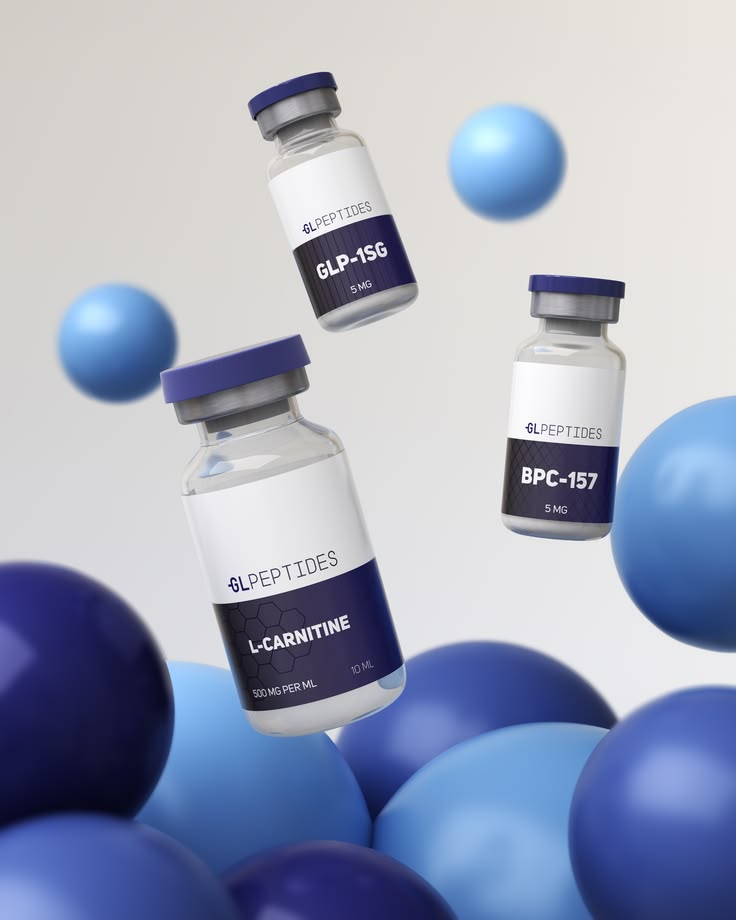
The solvent you choose for reconstitution affects storage stability. Bacteriostatic water contains 0.9 percent benzyl alcohol, which inhibits bacterial growth. This allows longer refrigerated storage compared to sterile water without preservatives.
Some peptides are more stable in slightly acidic solutions. For these peptides, a dilute acetic acid solution may provide better long-term stability than plain water. Check the product documentation for specific recommendations.
Never reconstitute peptides in phosphate-buffered saline or other complex buffers intended for long-term storage. These buffers may contain enzymes or other components that degrade peptides over time. Reconstitute in simple solvents and dilute into your experimental buffer immediately before use.
Common Storage Mistakes to Avoid
Many researchers make preventable mistakes that ruin their peptides. Here are the most common ones.
Storing peptides in a frost-free freezer is a frequent error. These freezers cycle through warming periods that cause temperature fluctuations. These fluctuations accelerate degradation. Use a manual defrost freezer instead.
Opening cold vials is another common mistake. Condensation forms on the cold peptide powder, introducing moisture. Always let vials reach room temperature before opening.
Repeatedly freeze-thawing the same vial destroys peptides. Aliquot before freezing and never refreeze.
Storing peptides on the laboratory bench at room temperature for convenience leads to rapid degradation. Return peptides to proper storage immediately after use.
Leaving vials open while weighing or dissolving allows moisture and contaminants to enter. Work quickly and reseal immediately.
Ignoring expiration dates wastes money on degraded peptides that produce unreliable data. Use older vials first and discard expired material.
Storing different peptides together without organization leads to lost vials and expired material. Implement a clear labeling and organization system.
Long-Term Storage Strategies
For laboratories that maintain large peptide inventories or that use peptides infrequently, long-term storage strategies are essential.
Create a peptide inventory database. Track each peptide’s name, batch number, purity, quantity, location, date received, and expiration date. Update the database every time you use a peptide.
Implement a first-in, first-out system. Use older vials before newer ones. This prevents peptides from expiring while sitting untouched in the freezer.
Store peptides in clearly labeled boxes. Organize by research project, by peptide type, or by location in the freezer. A well-organized freezer saves time and prevents lost material.
Consider splitting large quantities into smaller vials upon arrival. If you receive a ten milligram vial but typically use one milligram per experiment, divide the lyophilized powder into ten one milligram vials before any reconstitution. This prevents repeated opening of the same vial.
Document everything. Record when you open a vial, how much you remove, and when you reconstitute. This documentation helps troubleshoot failed experiments and tracks usage patterns.
Signs of Peptide Degradation
Even with proper storage, peptides eventually degrade. Learn to recognize the signs of degradation.
A degraded lyophilized peptide may appear clumped or sticky instead of free-flowing powder. It may have an unusual color. It may have a strong or unpleasant odor.
A degraded reconstituted peptide may appear cloudy instead of clear. It may contain visible particles. It may form a gel-like consistency. It may have an unusual color.
If you suspect degradation, test the peptide before using it in critical experiments. Run an analytical HPLC if possible. Compare the chromatogram to the original Certificate of Analysis. If the main peak has decreased or impurity peaks have grown, the peptide is degraded.
When in doubt, discard the peptide and open a fresh vial. The cost of a new vial is small compared to the cost of invalidated research.
How Lavish Peptides Supports Proper Storage
At Lavish Peptides, we want your research to succeed. Every product we ship includes clear storage recommendations on the Certificate of Analysis and product label. Our vials use high-quality rubber stoppers and flip-off caps that maintain a tight seal. We ship with desiccant packets to minimize moisture exposure during transit.
We also provide detailed storage guides and technical support. If you have questions about storing a specific peptide, our California-based team is ready to help.
Frequently Asked Questions About Peptide Storage
How long do lyophilized peptides last in the freezer?
When stored properly at minus 20 degrees Celsius or minus 80 degrees Celsius, most lyophilized peptides remain stable for 12 to 24 months. Check the expiration date on the Certificate of Analysis for batch-specific information.
Can I store peptides at minus 80 degrees Celsius?
Yes. Minus 80 degrees Celsius is better than minus 20 degrees Celsius for long-term storage. However, not all peptides require such cold temperatures. Follow the recommendations on the Certificate of Analysis.
What happens if I accidentally leave a peptide at room temperature overnight?
The peptide may be partially degraded. The extent of degradation depends on the peptide sequence, the temperature, and whether the peptide was lyophilized or reconstituted. Run an analytical HPLC to assess purity before using the peptide in critical experiments.
Can I store reconstituted peptides at minus 20 degrees Celsius?
Yes, but you must aliquot first. Freezing a reconstituted peptide without aliquoting subjects the entire vial to freeze-thaw damage each time you remove a portion. Always aliquot before freezing.
Do I need to use desiccant when storing peptides?
Desiccant packets help absorb moisture that may enter the storage container. They are recommended but not strictly required if vials are properly sealed.
Where can I find storage recommendations for specific Lavish Peptides products?
Every product page includes storage recommendations. The Certificate of Analysis also includes this information. You can also contact our California support team for guidance.
Final Thoughts
Proper peptide storage is not complicated, but it requires consistent attention to detail. The same care you apply to your experimental design should apply to how you store your research materials.
Keep lyophilized peptides cold, dry, and sealed. Let vials reach room temperature before opening. Work quickly and reseal immediately.
Keep reconstituted peptides refrigerated at 4 degrees Celsius. Use them within 7 to 14 days. Aliquot before freezing. Never refreeze a thawed aliquot.
Your research depends on reliable reagents. Protect your peptide investment with proper storage.
About the Author
This guide was written by the research team at Lavish Peptides, a California-based supplier of 99 percent or higher pure research peptides. We serve universities, biotech companies, and independent researchers nationwide.
Related Resources
Understanding Peptide Purity: Why 99 Percent or Higher Matters
The Complete Guide to Peptide Reconstitution
How to Read a Peptide Certificate of Analysis
Understanding Endotoxin Levels in Research
Call to Action
Need high-purity peptides for your research? Browse our collection of 99 percent or higher pure peptides with published Certificates of Analysis.
Shop Research Peptides Now
Questions about peptide storage or a specific product? Contact our California support team.
